Long before he worked the Super Bowl, the World Series and the Olympics, Tim Kennedy was just another William Paterson student trying to figure out his future.
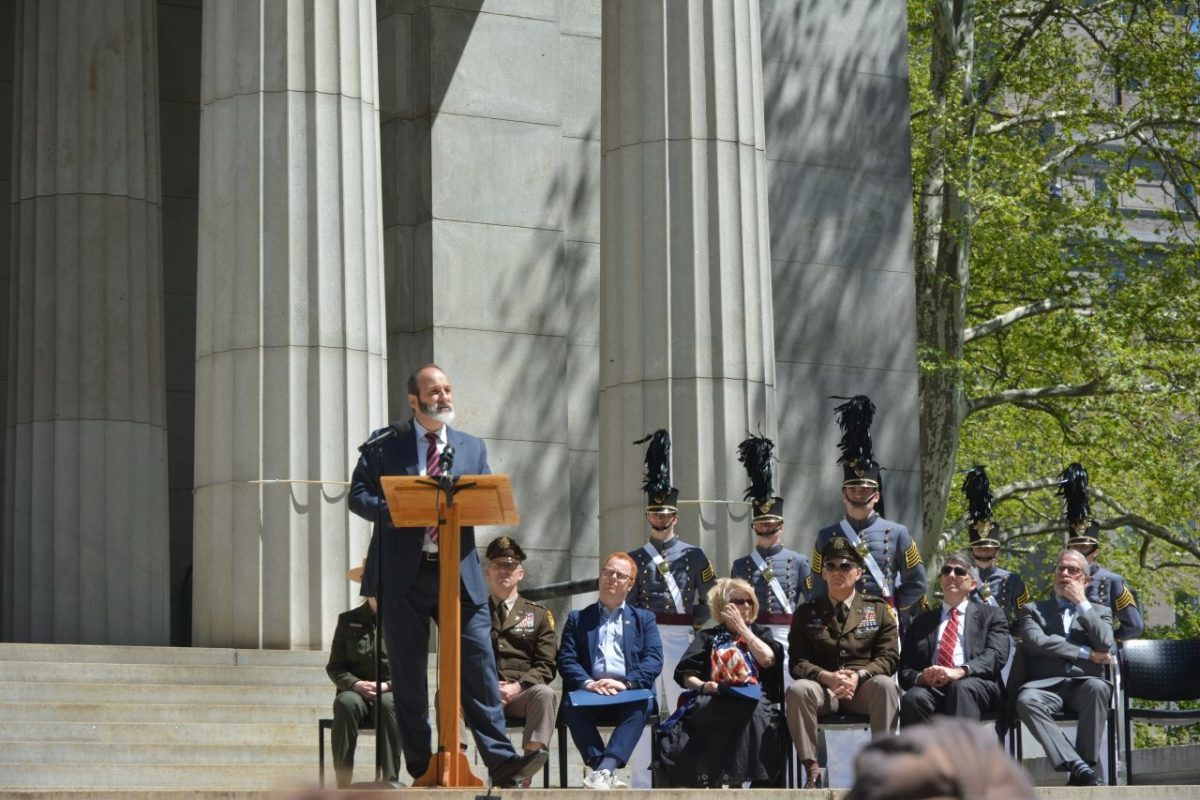
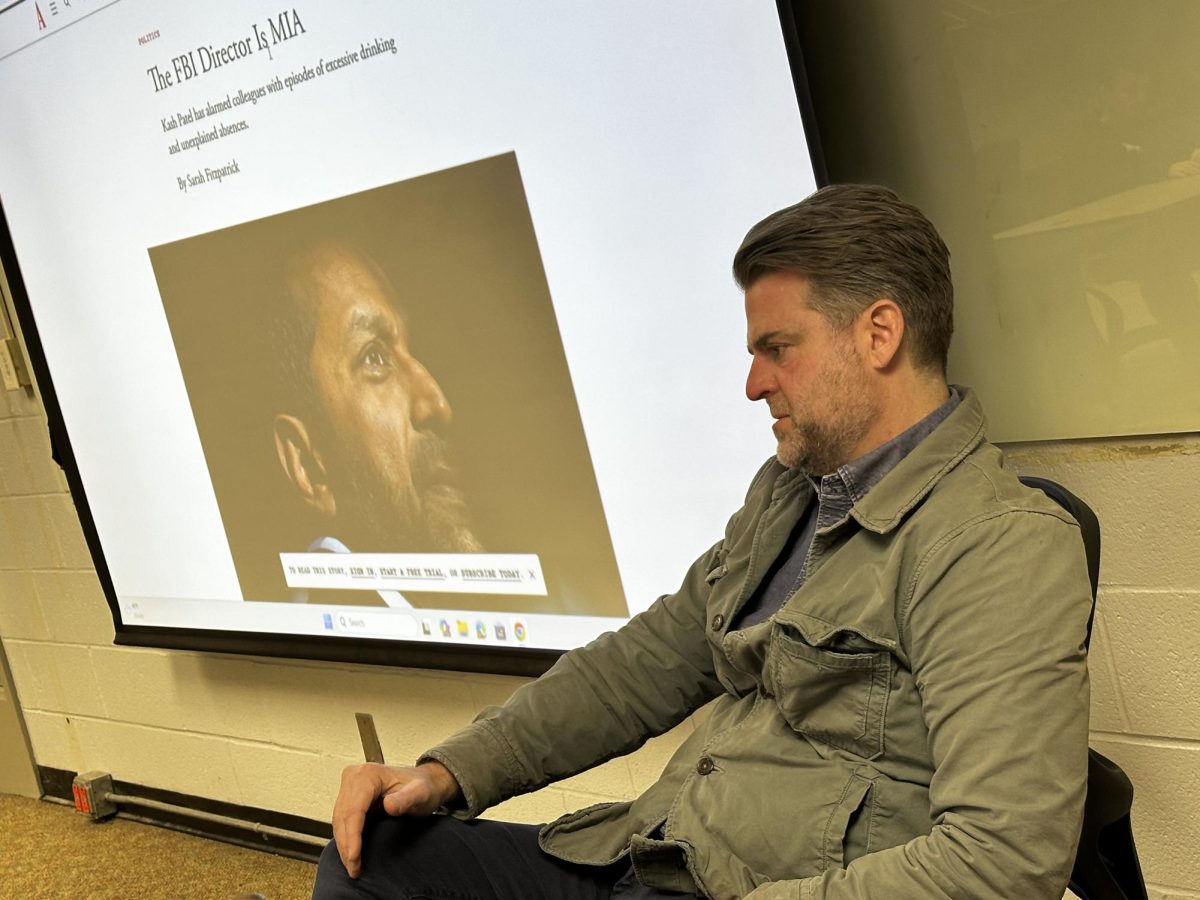
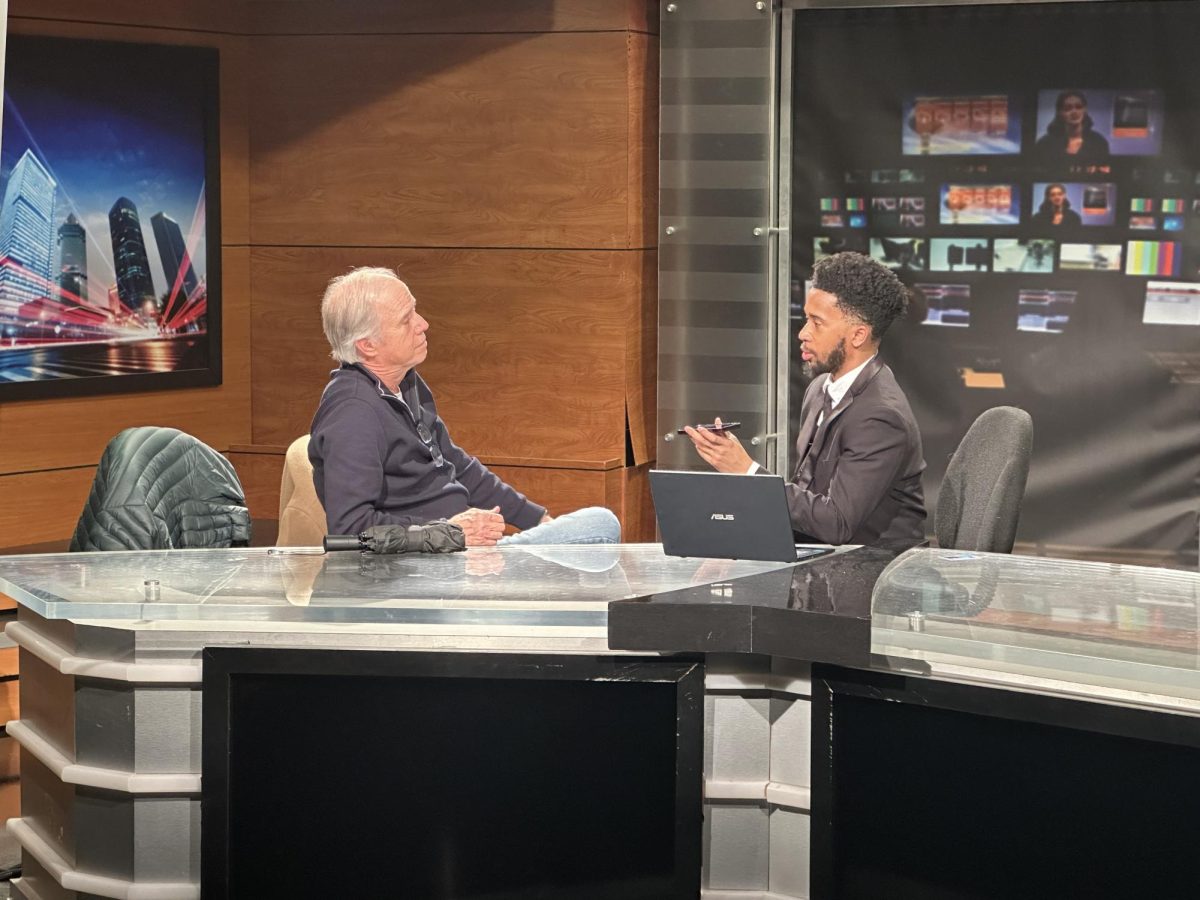
Kennedy, a William Paterson alumnus and former CBS technical director, returned to campus last week to speak with students about building a career in television, and how his journey began in the same classrooms and studios they now occupy.
His career would eventually span more than four decades and include some of the most watched broadcasts in television history. He worked on major sporting events and iconic late-night programs, including shows hosted by David Letterman and Stephen Colbert. But Kennedy’s path to that stage was anything but predictable.
“When I left William Paterson, I was supposed to graduate in 1977, but I had too much of a good time, so I graduated in 1978,” Kennedy said, smiling. “I was very involved in the radio station and got a job as a professional DJ at WRNJ in Hackettstown, and then WALL in Middletown, N.Y. I realized it wasn’t for me.”
Unsure of his next step, Kennedy made a decision that would ultimately change his life.
“I packed my bags and went cross-country for two months,” he said. “When I came back, I got a job at UA-Columbia Cablevision in Pompton Lakes, and that launched my TV career.”
Kennedy encouraged students to take advantage of the freedom that comes after graduation.
“When you’re ready to graduate, take a couple months and get out there,” he said. “You don’t know the next time you’ll have that much time off.”
That first television job opened doors through connections and persistence. A friend helped him land a position at WPIX-TV in New York, where he continued building relationships and gaining experience. From there, Kennedy worked at production houses before finding his long-term home at CBS in 1984.
At the time, CBS employed roughly 800 technical staff members in New York alone. Today, he said, that number has dropped dramatically.
“Now I think it’s maybe 200,” Kennedy said. “A lot of the industry has gone freelance. They’ll hire or fire you any day. Some people are what we call ‘permalance,’ they freelance, but they’re there all the time. A lot of the staff jobs have gone away.”
The shift has made networking more essential than ever.
“You live by the phone, you die by the phone,” Kennedy said. “You’ve got to set up a good network of people. Network, network, network. Anything you do, you have to network.”
Kennedy acknowledged that emerging technologies continue to reshape the industry.
“I don’t know what will happen with AI,” he said. “They brought robotics in. There are robotic cameras on the news now. It’s pervasive.”
Despite the changes, Kennedy said his career was remarkably steady.
“I really never had a setback,” he said. “There were a couple shows I wanted to get on that I never did, but that’s sliding doors. At the end of the day, it was a great 40-year run.”
Along the way, he learned that success in television requires both technical knowledge and emotional intelligence.
“Sometimes you’ll have to deal with a director with an attitude,” Kennedy said. “Once they sit in the chair, their whole perspective changes. You just have to give them some grace and move on.”
Returning to William Paterson brought back memories of a very different campus.
“The TV facility here is great. It wasn’t here during my time,” Kennedy said. “We were in a small building in the back that used to be a grammar school. The TV studio was black-and-white. The control room was in the kitchen. The radio station was walled off on the stage.”
He emphasized that today’s students have more resources, and more responsibility, than ever before.
“Know as much as you can,” Kennedy said. “You don’t have to know everything, but understand what everyone does. Appreciate the producers, the director, the camera operators, the people pulling cables, the editors. Learn editing. Learn how to shoot video, even on your iPhone.”
Versatility, he said, is critical in modern media.
“If you’re coming out as a writer or producer, you need to know editing, whether it’s Adobe Premiere or Avid,” he said. “Learn everything you can.”
Despite the pressure and scale of live television, Kennedy kept his perspective grounded.
“It’s only TV,” he said. “It’s not brain surgery.”
For students hoping to follow a similar path, Kennedy’s message was clear: careers are built on curiosity, adaptability and relationships. His own journey, from a college radio station in Wayne to the control rooms of the world’s biggest broadcasts, proves how far those qualities can take you.