
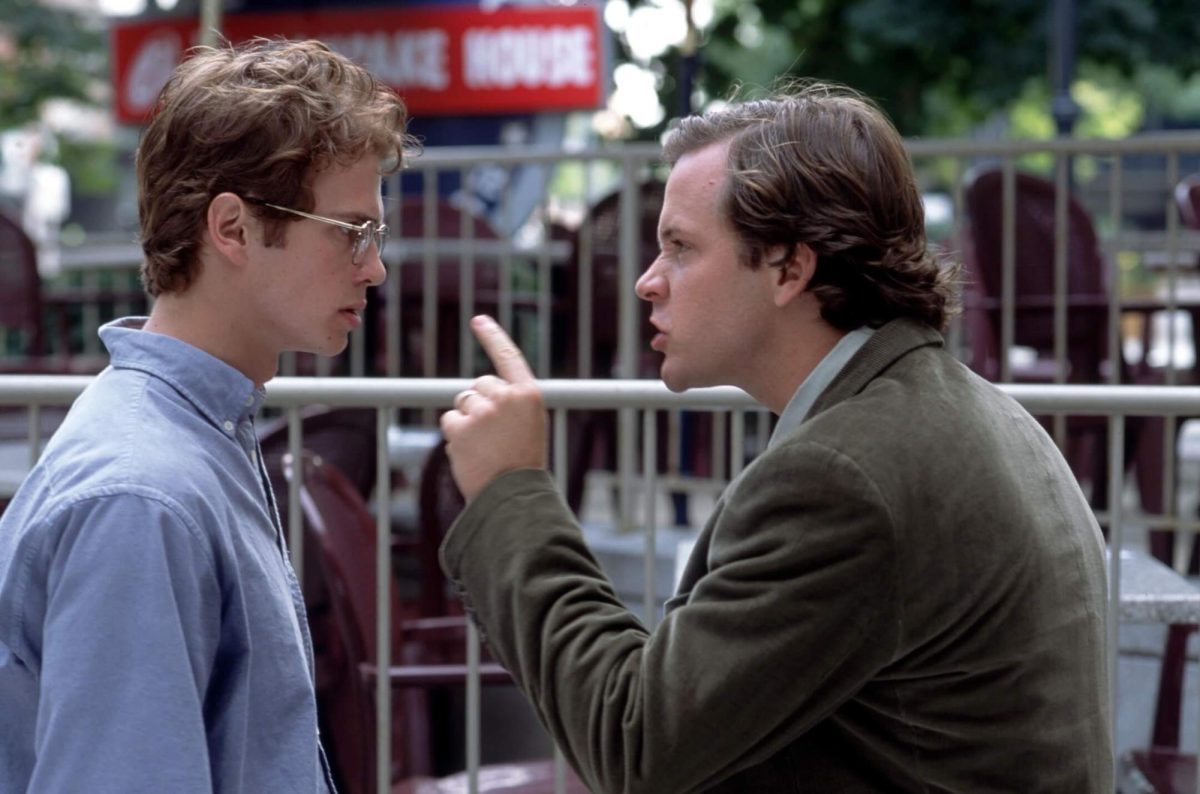
Shattered Glass follows Stephen Glass, a young reporter at The New Republic, who builds a reputation on stories that are initially accepted because they are engaging and detailed. The film takes a close look at how journalism operates under pressure, when questions of ethics, power, and professional responsibility come into play. Rather than presenting journalism as purely objective, the film shows how easily credibility can be compromised when storytelling and ambition take priority over the truth.
One dilemma that stands out is the fallout from Glass’s article “Hack Heaven,” when his editor, Chuck Lane, must decide whether to trust Glass or investigate inconsistencies that could damage the magazine’s reputation. This moment highlights the ethical tension in journalism and the balance between trust in colleagues and the responsibility to verify information. Many journalists face similar situations. I related to this while writing “The Hidden Battle: Mental Health in Athletics,” when my editor asked for more detail about an athlete I interviewed, but the athlete requested that certain information remain private to protect his relationship with his coaches. I was caught between publishing a more detailed, compelling story and maintaining the trust of my source.
As the film continues, the “Hack Heaven” incident becomes a turning point, exposing Glass’s dishonesty and revealing how newsroom culture allowed it to go unnoticed. Glass writes about a teenage hacker who breaks into a company’s system and is later offered a job. The story is filled with vivid details that make it seem believable, but when other reporters attempt to verify it, they cannot find evidence that the company or the hacker exist. Lane begins to question Glass, who resists answering, while staff members are reluctant to doubt him. This creates a serious ethical dilemma for Lane, forcing him to choose between preserving relationships and protecting the magazine’s credibility.
Another key takeaway is how difficult it can be to maintain public trust. Once Glass’s fabrications are exposed, they cast doubt on his previous work and damage the reputation of The New Republic. In real world situations, misreporting leads audiences to question how reliable a news organization is. Trust is central to journalism, and once it is broken, it is difficult to rebuild. For example, Wikipedia is often used for general information, but its open editing model has led many to question its reliability unless information is verified elsewhere.
Overall, Shattered Glass goes beyond telling the story of a dishonest reporter and raises important questions about how journalism functions and the responsibilities journalists have to their audience. These challenges remain relevant today. Both the film and real world experiences show that accuracy must come before speed or storytelling. Journalism is not just about telling interesting stories, but about making careful, ethical decisions that carry real consequences.


