
Every day, Nicky Byrd swipes into the WP dining hall. Many days, he leaves without eating.
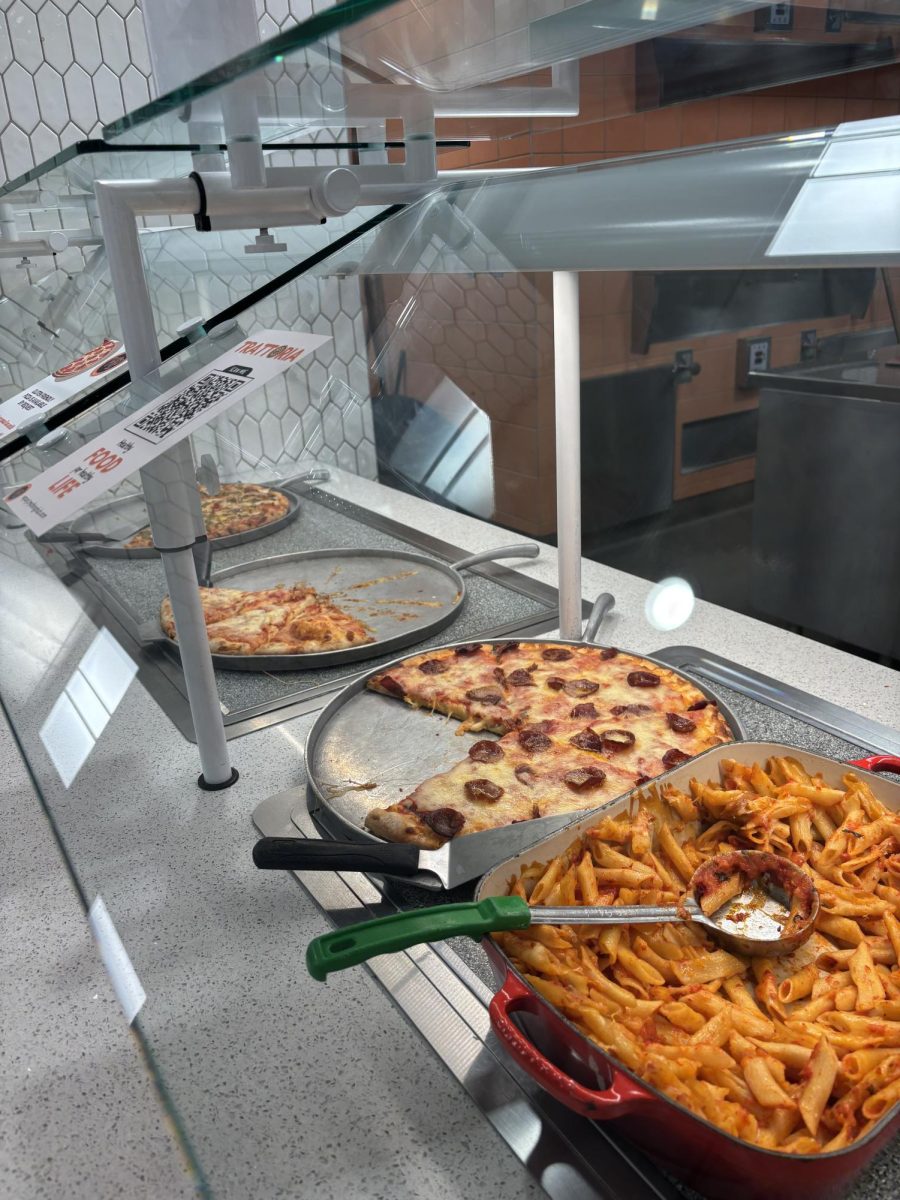
Byrd is a 21-year-old business major who claims that he only visits the dining hall because it’s the easiest option, never the best. Students who rely on the dining hall for dinner, especially with late-afternoon and evening schedules, say they often find little more than burgers, fried food, and a sad salad bar by the time they arrive.
Byrd noted that inconsistency is now routine. He often signs in, checks the options, and leaves, forcing him to spend money elsewhere. On the worst days, he’ll default to breakfast twice, knowing there may not be worthwhile options later.
“Sometimes it’s just annoying,” Byrd said.
“You want to get here, you want to eat, and then there’s nothing good. So, then you just gotta look and find somewhere else.”
The problem, Byrd said, is most visible later in the week.
“Monday through Thursday it’s alright,” he said, “but Friday and the weekends they just don’t care.”
If Byrd could change anything, he says the dining hall should “have the same efforts for the weekends, improve the food quality, and the options.”
On Saturday, April 11, at 2 p.m., the dining hall’s spread included burgers, fried and grilled chicken, lentil gumbo, yellow rice that had gone stiff, and a chicken parmesan
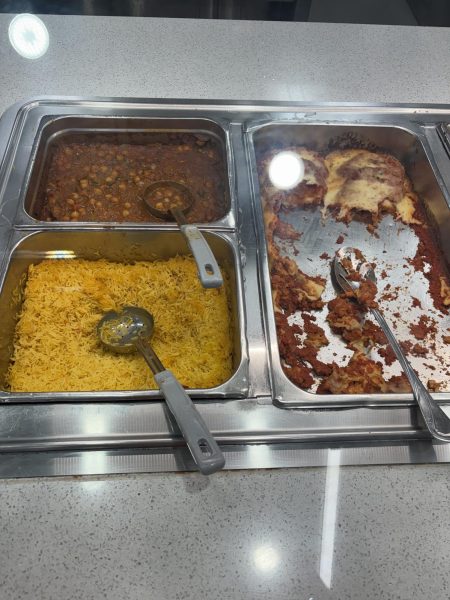
whose breading had gone limp under a skin of cooled sauce. Three days later, on April 14, around 7:30 p.m., the options were burgers, chicken sandwiches, fries, halal wraps, dry pasta, and the salad bar, which is consistent on Tuesdays.
In response to these concerns, Keith Riker, director of dining services, stated that “Concerns about stations running out before the dining hall closes are valid,” Riker wrote.
“This is not an intentional limitation of options but an execution issue that needs to be addressed.”
He also noted that while food waste and labor costs are real operational challenges, they “do not excuse inconsistent availability.”
The Beacon also reached out to Kayla Kirschner, William Paterson’s campus dietitian, to ask how limited evening options may affect student nutrition. Kirschner initially directed The Beacon to the dining hall director. A follow-up request for her professional opinion, specifically, received no response.
Kendall Baker, a 20-year-old sophomore who eats at the dining hall three to four times a day, described watching the variety disappear in real time.
“After lunch, right around three or four p.m., all the food that’s uniquely there for lunch is gone, all of it,” Baker said. “At that point it goes down to the smaller options: burgers, pizza [or] salad bar.”
The quality follows a similar trajectory, he added.
“It can definitely lessen throughout the day,” Baker said. “I don’t ever see it increase. I always see it lessened.”
A Google survey of 25 on-campus students gave the dining hall an average variety rating of 2.3 out of 5, and 67 percent said they could not consistently rely on finding something they want to eat.
Lamont Hampton, a 21-year-old senior in communications and media productions, ran into that problem firsthand. At 10:55 a.m., he said breakfast was being cleared while lunch had not yet been served.
“The problem is that if lunch isn’t out and ready, then breakfast should still be available,” Hampton said. He left that afternoon on an empty stomach. When he asked workers when lunch would be ready, he was told five minutes, then another ten. If he could change one thing, he said, it would be giving students “a weekly choice” or simply “more options.”
The frustration extends beyond convenience. One anonymous student wrote that “hitting my calorie surplus is the hardest part because food is inconsistent,” adding: “Why, as a grown man, would I want chicken tenders for dinner?”
The gap between what the dining hall offers and what students need is evident in their wallets. Of the 25 survey respondents, 55 percent said they spend more than $100 a month on outside food due to poor dining hall options; 36 percent spend between $51 and $100; the remaining 9 percent spend between $1 and $25.
The math is straightforward: students are paying for a dining hall that stops fully functioning hours before it officially closes, leaving them with limited options. What remains on trays by 8 p.m. rarely justifies the cost of a meal plan, let alone the extra money students are spending to fill the gap.
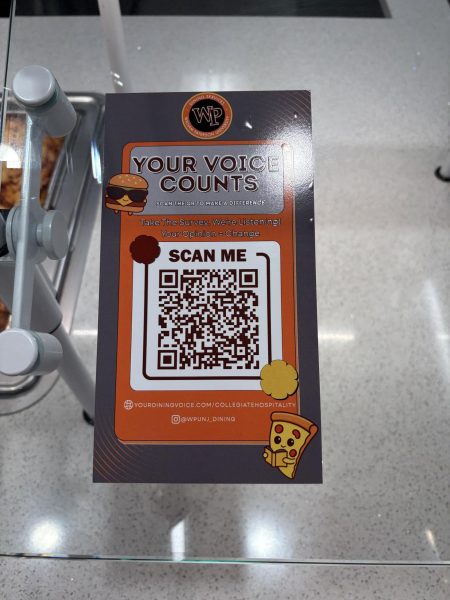
Riker acknowledged the problem is fixable. In the meantime, the dining hall offers QR codes at stations and tables where students can share feedback.







Anonymous • Apr 22, 2026 at 6:42 pm
I’ve spoken to the directors at dhall multiple times and i’m only a sophomore here. I’ve created surveys encouraging student feedback as well. There are over 500 students dorming with $2,000+ meal plans to be fed from a company that also supplies prison food! It genuinely makes zero sense why are options are so limited for how much money is being paid to eat there every semester. The directors don’t listen to the students and we’re wasting money just to not eat the slop they serve most days.